
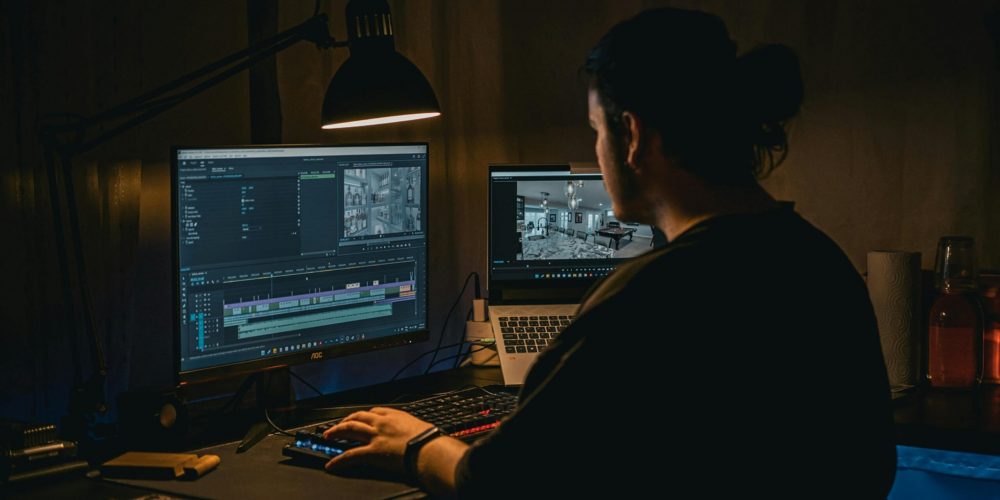
In the dynamic digital realm, the role of a web designer stands as a pivotal force in shaping captivating online experiences. Yet, the intricacies of what a web designer truly does often remain veiled in mystery. Let us embark on a journey to unravel the essence of a web designer’s craft, shedding light on their multifaceted responsibilities and the indispensable role they play in crafting the digital landscape.
Unraveling the Role of a Web Designer
Decoding the Responsibilities of a Digital Designer
At its core, a web designer serves as an architect of the digital domain, seamlessly blending creativity with technical acumen to breathe life into virtual spaces. Their canvas extends across the vast expanse of the internet, where they meticulously conceptualise, design, and execute visually captivating and user-centric websites.
Crafting Visual Narratives
Visual Identity Creation
A primary task of a web designer entails the creation of visually captivating websites that resonate deeply with visitors. This involves a meticulous selection of color palettes, typography, imagery, and layouts, all intricately woven together to reflect the brand’s unique identity while ensuring a seamless and intuitive user experience.
Elevating User Experience
Prioritising User Satisfaction
Beyond mere aesthetics, web designers champion the realm of user experience (UX) design. They meticulously structure websites to facilitate effortless navigation, ensuring visitors can easily navigate and accomplish their objectives. From intuitive navigation menus to responsive design tailored for various devices, every element is meticulously crafted to enhance user satisfaction and engagement.
Embracing Technological Innovations
Harnessing Technological Advancements
In the fast-paced world of web design, staying abreast of technological advancements is paramount. Another role of a web designer is to leverage their technical expertise to harness coding languages such as HTML, CSS, and JavaScript, transforming design concepts into functional websites. They continually embrace emerging trends and tools, refining their skills to deliver cutting-edge solutions.
Collaboration and Communication
Fostering Collaborative Partnerships
Web designers are not solitary entities but rather collaborative team players. They collaborate closely with clients, project managers, developers, and other stakeholders to bring visions to fruition. Effective communication is key as they translate client requirements into tangible design elements, offering insights and guidance to ensure alignment with strategic objectives.
Do I Really Need a Web Designer?
The Value in Statistics
While the question of whether you need a web designer may arise, statistics overwhelmingly support the value they bring to the table:
- First Impressions Matter: According to research by Stanford University, 75% of users admit to making judgments about a company’s credibility based on their website design [1]. A professionally designed website can significantly impact your brand’s perception and trustworthiness.
- Mobile Responsiveness: With mobile internet usage surpassing desktop usage, having a mobile-responsive website is crucial. Google reports that 61% of users are unlikely to return to a mobile site they had trouble accessing [2], emphasising the importance of responsive design in retaining visitors.
- Conversion Rates: A well-designed website can drive conversions and boost sales. Studies show that businesses that prioritise user experience witness a 400% increase in conversion rates [3]. Whether it’s intuitive navigation or compelling calls-to-action, web designers play a pivotal role in optimising conversion pathways.
- Competitive Advantage: In a crowded digital landscape, standing out from the competition is essential. Research indicates that 94% of users’ first impressions are design-related [4]. A professionally designed website sets you apart from competitors and positions your brand as a leader in your industry.
In essence, the role of a web designer transcends mere aesthetics; it is about crafting immersive digital experiences that resonate with audiences and drive meaningful interactions. From conceptualisation to execution, web designers are the visionary architects behind the websites that shape our online world. So, the next time you navigate a beautifully designed website, take a moment to appreciate the artistry and expertise of the web designer behind it. And remember, investing in professional web design is an investment in the success and credibility of your brand.
Why not check out our Web Design Packages?
- [1] Source: Stanford University, Web Credibility Research
- [2] Source: Google, Think with Google – Mobile Site Speed
- [3] Source: Forrester, The Total Economic Impact™ Of IBM’s Design Thinking Practice
- [4] Source: ResearchGate, Trust and Mistrust of Online Health Sites


